OVWAG News
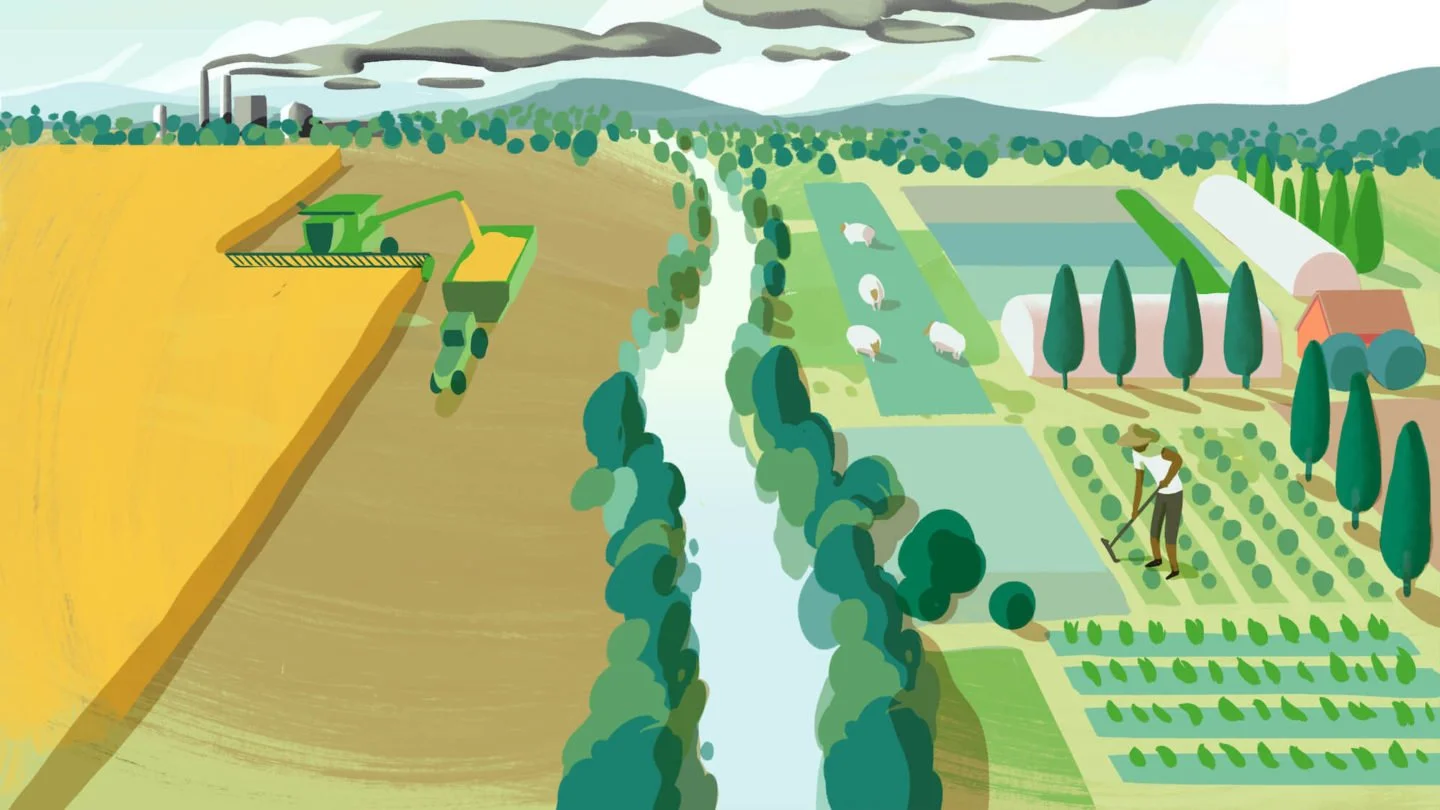
Working Lands, Clean Water: Start With a Question
Agriculture and working lands are an important part of Ogden Valley. Pastures, hay fields, livestock operations and small farms help define the landscape and preserve much of the open space we value.
They are also part of the watershed.
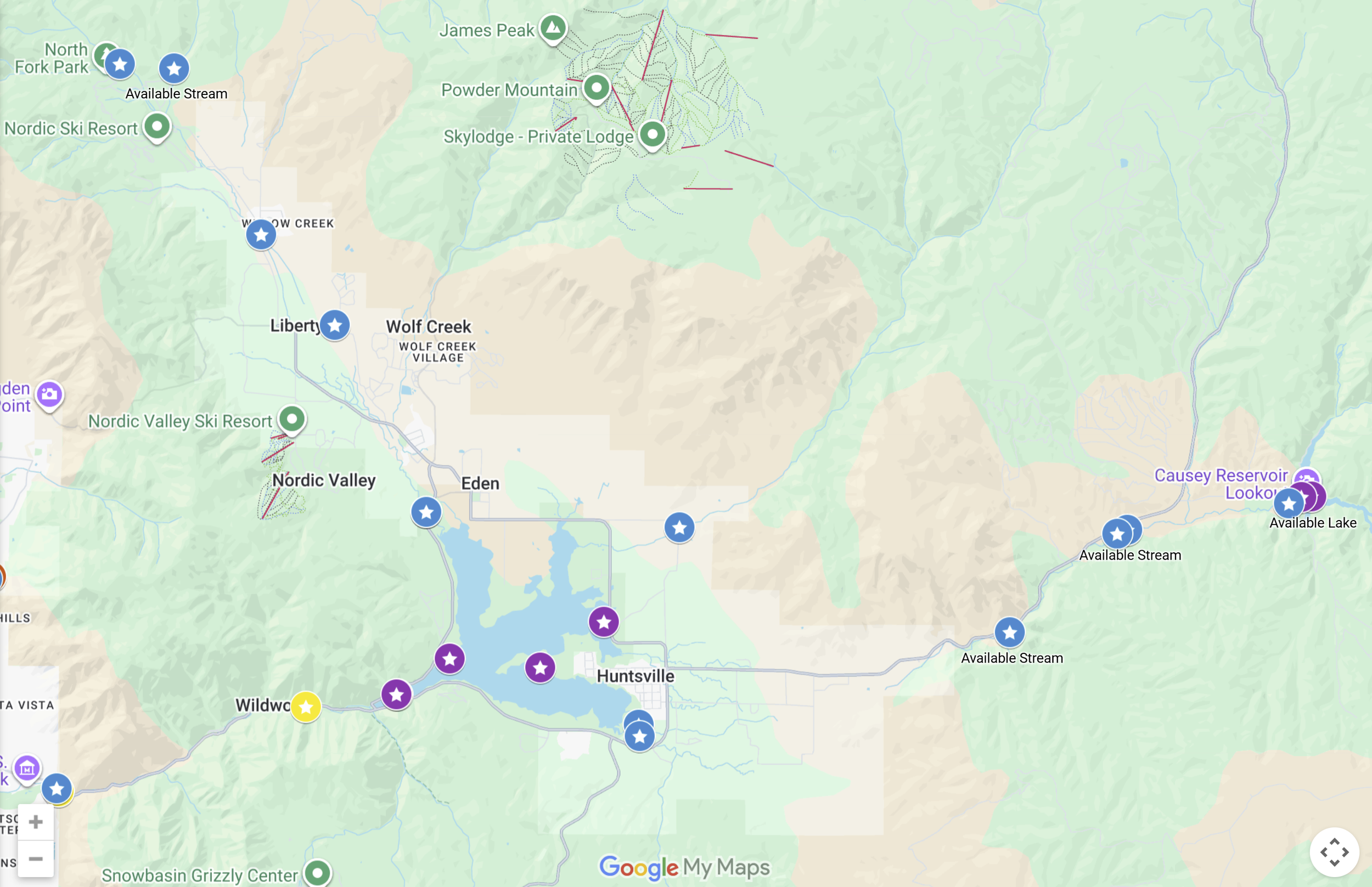
Watershed Watch: Two Ways to Get Involved in Protecting Ogden Valley’s Water
April is Citizen Science Month — and in Ogden Valley, participating can be as simple as paying attention.
From noticing changes in a nearby stream to helping monitor water quality over time, local residents have meaningful ways to contribute to understanding and protecting the valley’s water resources.
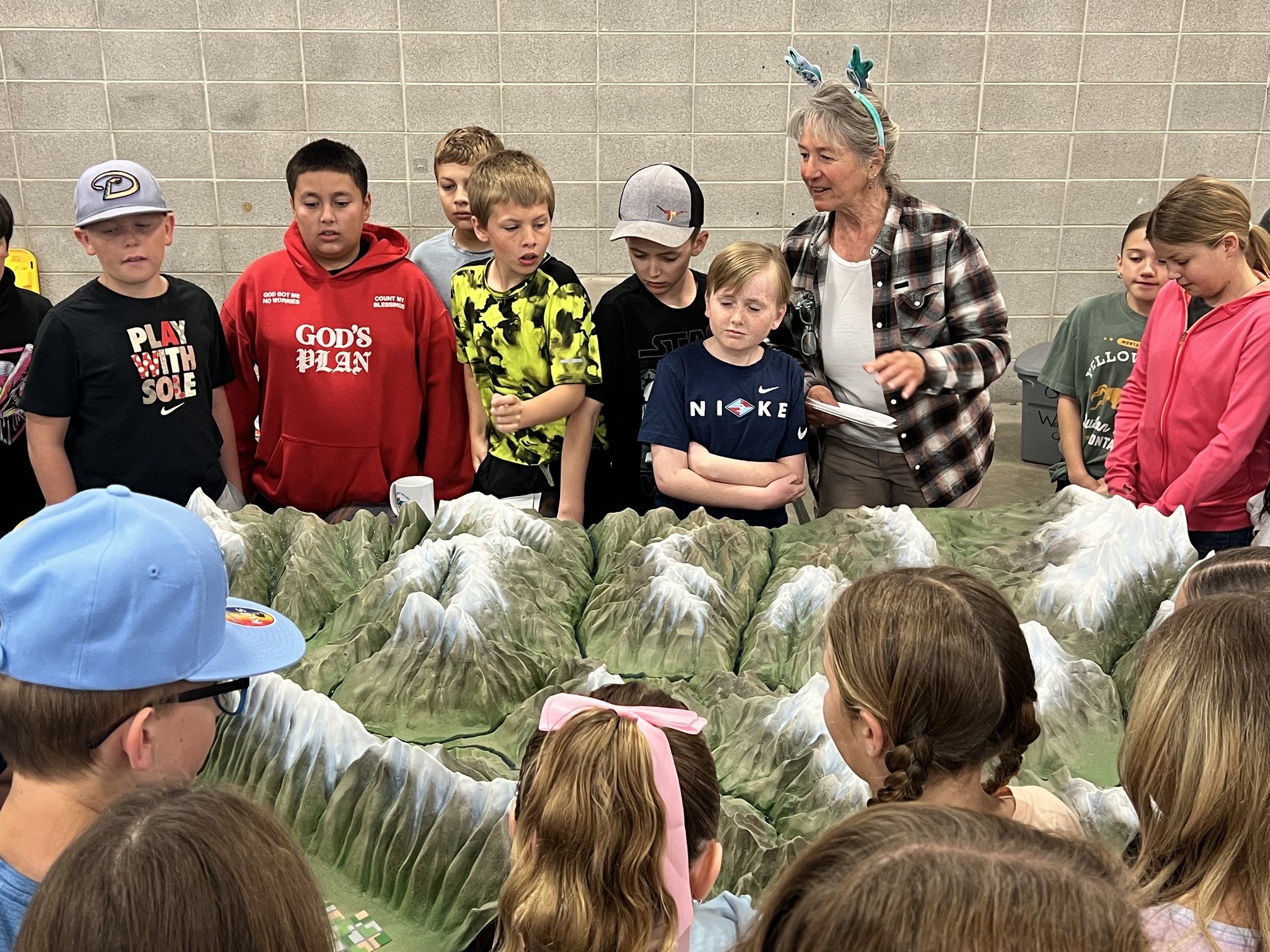
Ogden Valley Has a Watershed Plan. Here’s What It Means.
Ogden Valley already has a federally recognized watershed plan in place called the Ogden River 9-Element Watershed Plan (2023). The document serves as the valley’s watershed roadmap — a structured plan that connects science, measurable goals, and practical actions to improve water quality in the Ogden River and Pineview Reservoir.
So what exactly is a 9-Element Plan, and what does it do?
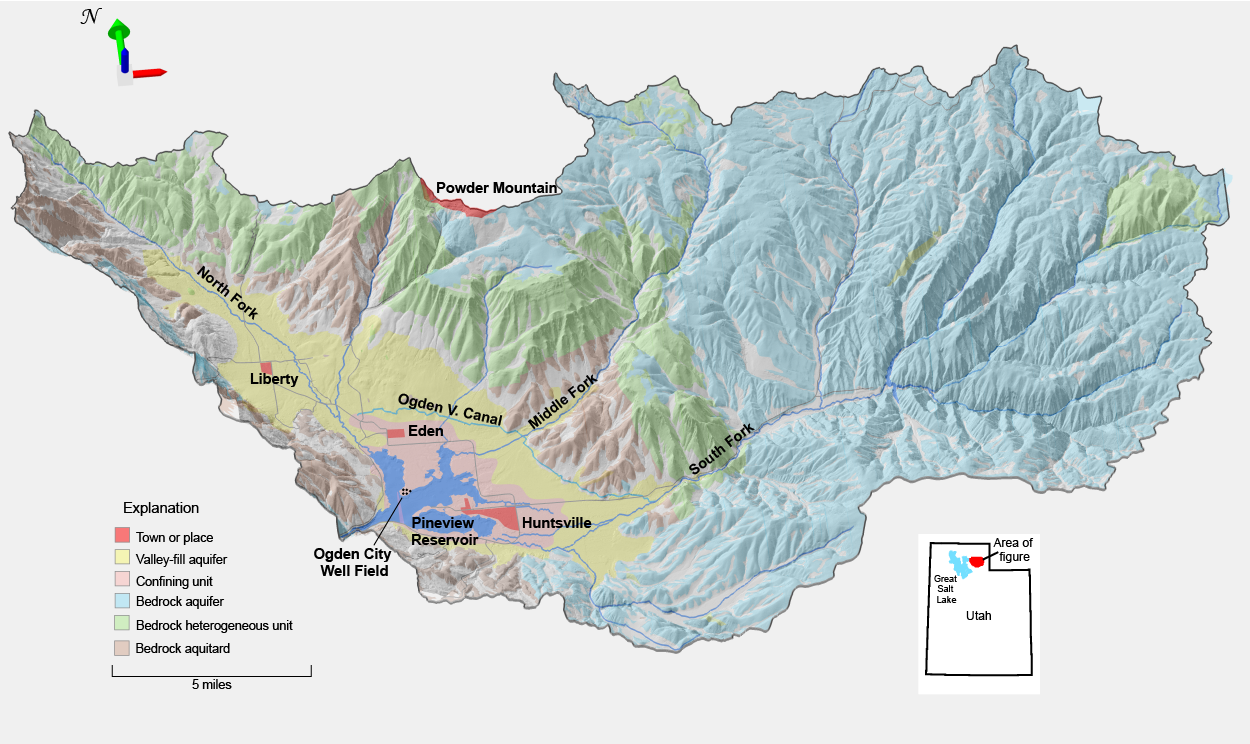
Understanding Our Watershed: How Water Moves Through Ogden Valley
When we talk about protecting water in Ogden Valley, we often hear the word watershed. It can sound technical or abstract. In reality, it describes something very practical: how water moves across the land we all share.
A watershed is simply the area of land where rain and snowmelt drain downhill into a common body of water. In Ogden Valley, that shared destination is Pineview Reservoir and the Ogden River system.
But the journey water takes to get there is what makes our watershed unique.
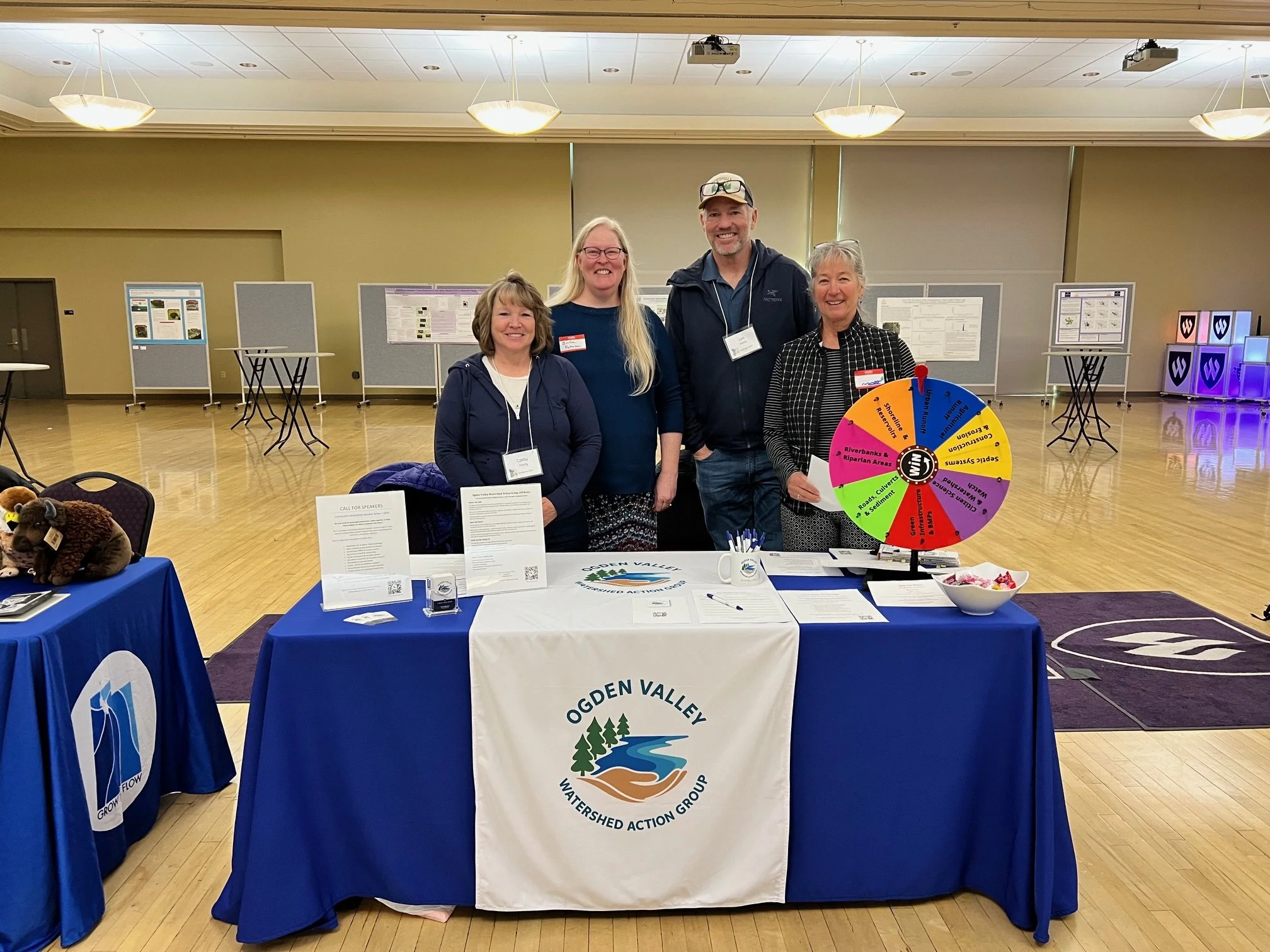
Preserving What Connects Us All: A Local Effort to Protect Ogden Valley’s Water
From the snow that blankets our mountains each winter, to the rivers and streams that flow through the valley, to Pineview Reservoir and the wells many residents rely on at home, water connects our recreation, our economy, and our quality of life.
That shared resource is the focus of a new, locally led group: the Ogden Valley Watershed Action Group (OVWAG).
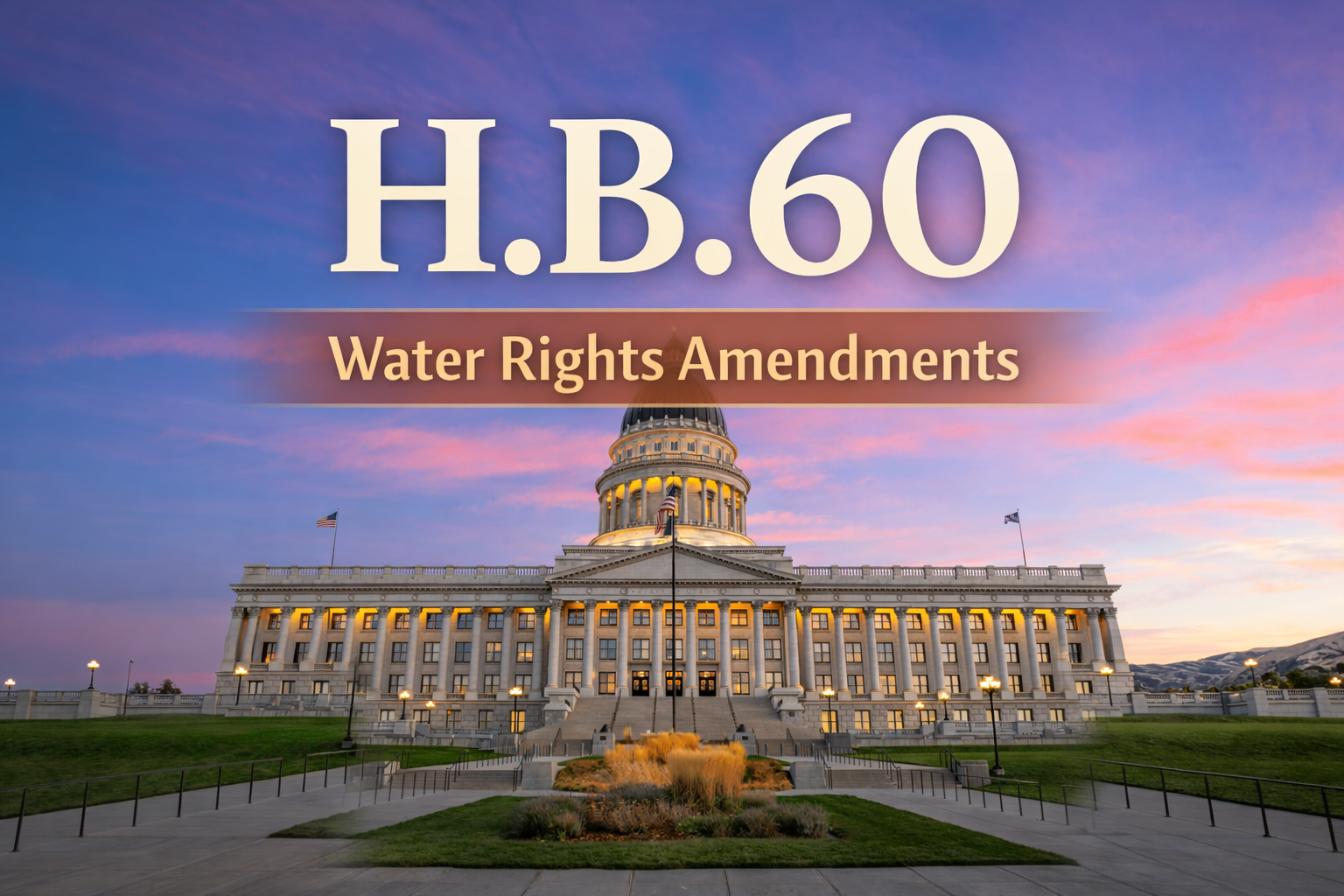
Proposed Water Bill Could Affect Watershed Protections
Proposed legislation could reshape how water decisions are made in Utah. We break down what H.B. 60 would change and why it matters for Ogden Valley’s interconnected groundwater and streams.
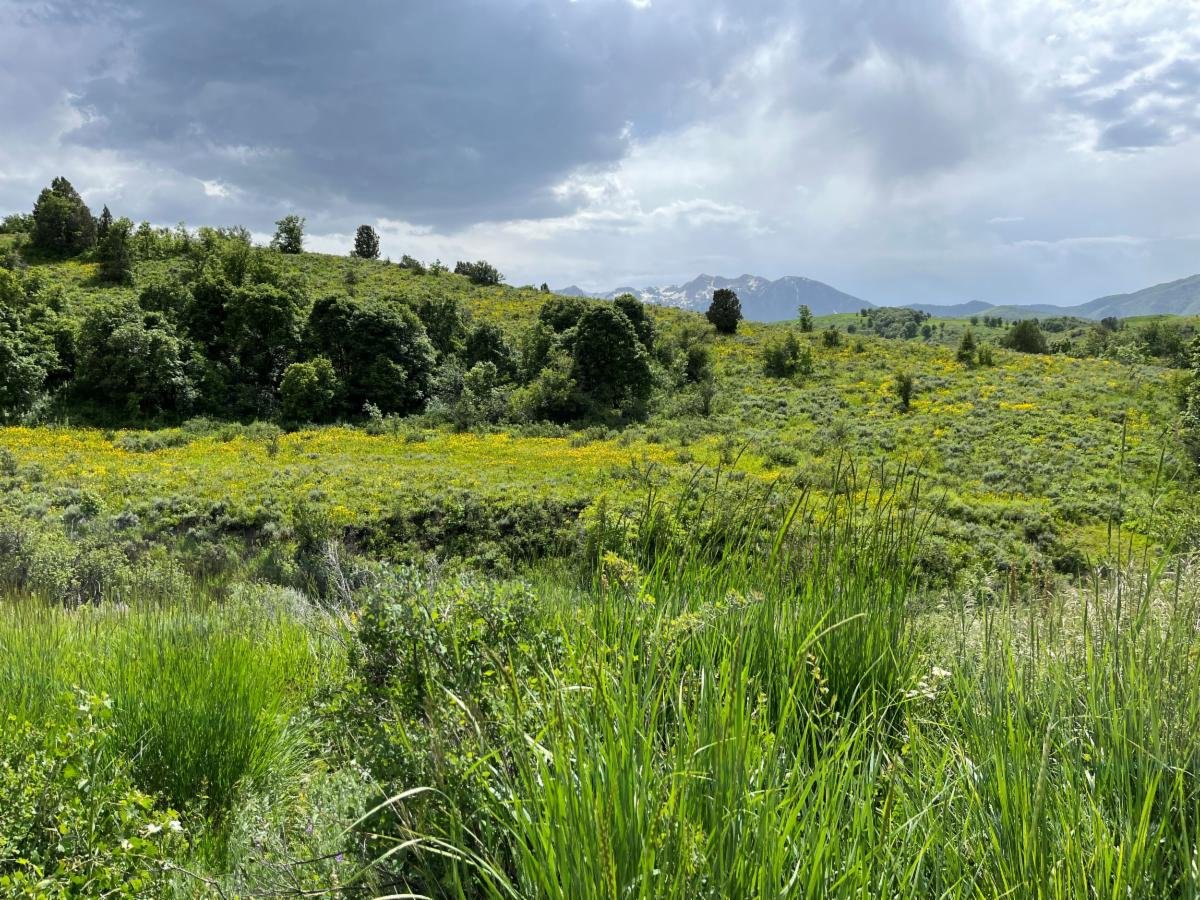
New Easement Connects Protected Lands Across Ogden Valley
Summit Land Conservancy has announced the closing of a conservation easement on Flint Place, permanently protecting 1,017 acres of working agricultural land and wildlife habitat in Weber County, just south of Huntsville. The project was the Conservancy's seventh conservation easement in 2025, rounding out the year's total acres saved to almost 6,500.
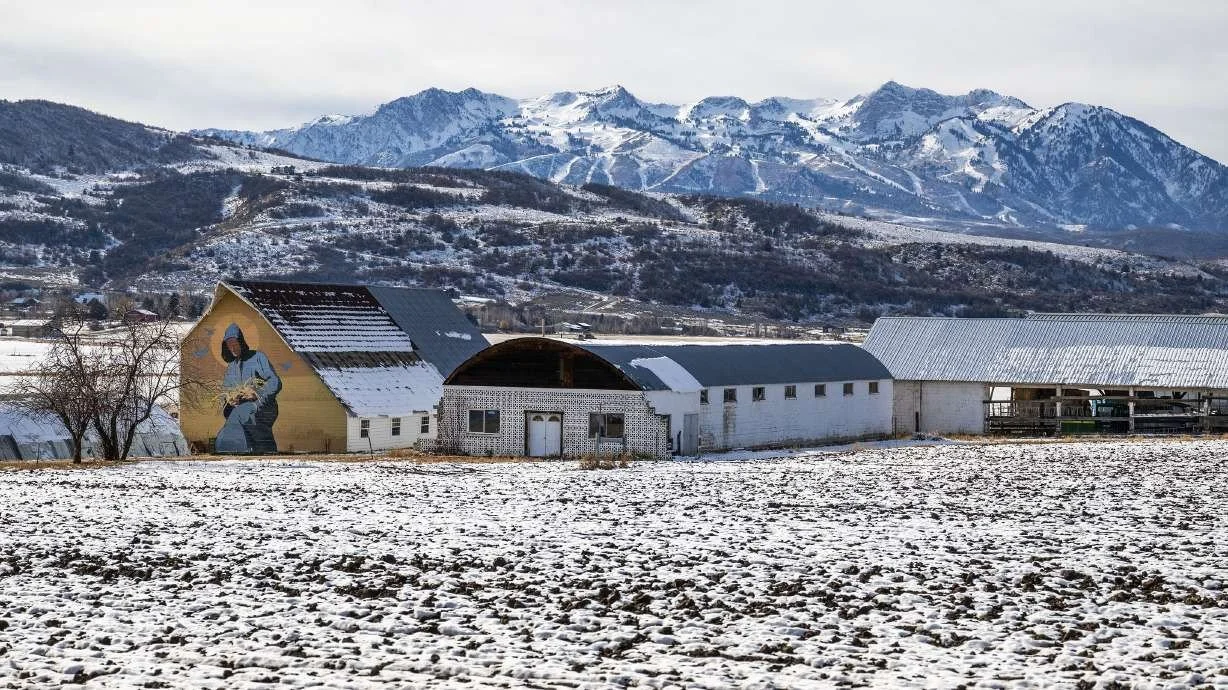
Northern Utah farm reaches agreement to lease quarter of its water to Great Salt Lake
The Historic Monastery Farm in Huntsville, Weber County, has agreed to lease approximately 25% of its water — about 635 acre-feet annually — to Great Salt Lake under a new 10-year pilot program. The water, once diverted for irrigation, will now flow toward the lake in an effort to help restore its declining levels